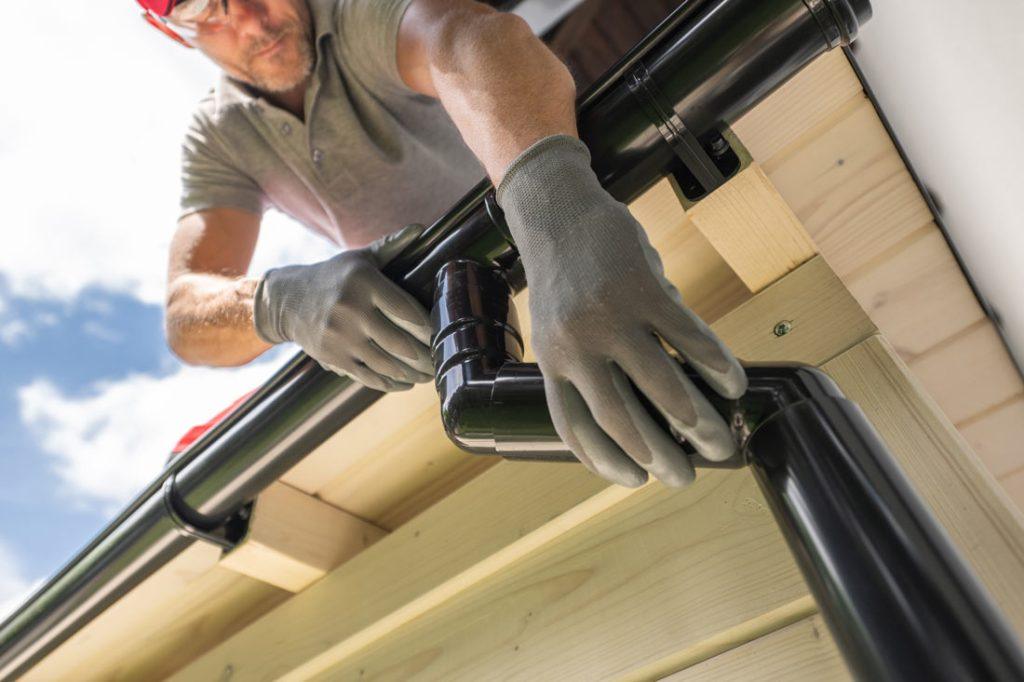
Gutters tend to sit quietly at the edge of a property, doing their job without much attention. They are designed to channel rainwater away from the roof and foundations, helping to protect the structure from unnecessary exposure to moisture.
When they are working properly, you barely notice them. When they are not, the problems can build up in ways that are not always obvious at first.
Blocked gutters might seem like a small inconvenience, perhaps something to deal with another day. In reality, they can gradually contribute to more serious roofing issues if left unattended.
This article looks at how those blockages form, the kind of damage they may lead to, and what can be done to prevent things from escalating.
What Causes Gutters to Become Blocked
One of the most common causes of blocked gutters is a build-up of natural debris. Leaves, twigs, moss and general dirt can collect over time, especially in properties surrounded by trees.
Even in areas without heavy greenery, wind can carry debris onto the roof, which then washes down into the guttering system during rainfall.
It is not always about location, either. A lack of regular maintenance can allow even small amounts of debris to accumulate and compact.
Over time, this may form a dense blockage that restricts water flow. Newer properties are not immune to this, particularly if routine checks are overlooked or delayed.
How Water Overflow Affects the Roof
When gutters become blocked, water can no longer flow freely towards the downpipes. Instead, it begins to overflow, often spilling over the edges and back towards the roofline.
This repeated overflow may seem harmless at first, but it can start to push water into areas it would not normally reach.
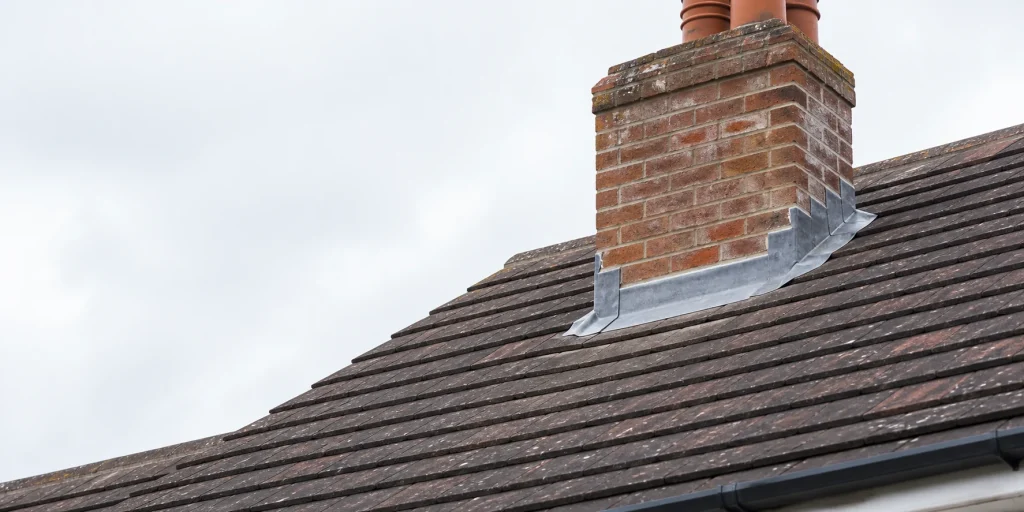
In some cases, water may seep beneath roof tiles or collect around vulnerable points such as joints and flashing.
Over time, this excess moisture can begin to wear down materials, increasing the likelihood of leaks. What started as a simple blockage may slowly turn into a more persistent roofing issue.
The Risk of Roofline and Structural Damage
The roofline is particularly vulnerable when gutters are not functioning as they should.
Fascia boards and soffits are designed to support the guttering and protect the edge of the roof, but they are not meant to deal with constant water exposure. When water overflows regularly, these components may begin to deteriorate.
Timber elements behind the roofline can also be affected. Persistent moisture may lead to rot, which can weaken the structure over time.
This type of damage is often gradual, meaning it may go unnoticed until more extensive repairs are required, which can be more disruptive and costly.
Damp, Mould and Interior Issues
Once water begins to find its way beyond the external roofline, it can eventually impact the interior of the property.
Moisture may enter the loft space or seep into ceilings and walls, leading to damp patches that are often mistaken for unrelated issues.
If left unresolved, this damp environment can encourage mould growth and affect insulation performance. You might notice musty smells, peeling paint, or discolouration on ceilings.
By the time these signs appear, the underlying issue may have been developing for some time.
Winter Risks and Freeze Damage
During colder months, blocked gutters can present additional risks. Water trapped within the system may freeze when temperatures drop, expanding as it turns to ice.
This expansion can place pressure on the guttering itself, sometimes causing it to crack or become dislodged.
As the ice thaws and refreezes, the repeated movement can worsen any existing weaknesses.
Gutters may begin to sag or pull away from the property, which can further impact how water is directed. At that point, the roof may be exposed to even more uncontrolled water flow.
Warning Signs Your Gutters May Be Causing Problems
There are often visible signs that gutters are not performing as they should. Water spilling over the sides during rainfall is one of the clearest indicators.
You might also notice staining on external walls, sagging sections of guttering, or even small plants beginning to grow from built-up debris.
Inside the property, early warning signs can include damp patches near the top of walls, peeling paint, or unexplained moisture in the loft.
These signs do not always point directly to gutters, but they can suggest that water is not being properly managed and should be investigated.
Preventative Maintenance and Good Practice
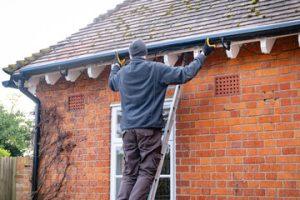
Regular maintenance is one of the simplest ways to avoid these issues. Clearing gutters of debris, particularly during autumn and after heavy storms, can help keep water flowing as intended.
It does not need to be complicated, but it does need to be consistent.
Some homeowners choose to install gutter guards to reduce the amount of debris entering the system. While these can help, they do not completely remove the need for checks.
A routine inspection every so often may be enough to catch small issues before they develop into something more significant.
When to Call a Professional Roofer
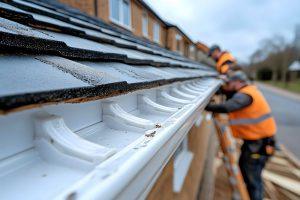
There are situations where a simple clean will not resolve the problem. If gutters are damaged, sagging, or if there are signs that water has already affected the roof, it may be worth bringing in a professional.
A roofer can assess both the guttering and the surrounding roofline to identify any underlying issues.
Early intervention can make a noticeable difference in terms of cost and disruption.
What might be a minor repair now could become a much larger job if left too long. Getting a professional opinion can help clarify the condition of the roof and prevent further complications.
Conclusion
Blocked gutters can lead to a chain of problems that extend well beyond the guttering itself.
From water overflow and roof damage to internal damp and structural concerns, the impact can build gradually if not addressed.
Keeping gutters clear and paying attention to early warning signs may help avoid more serious repairs down the line.
If there is any doubt about the condition of your roof or guttering, seeking advice sooner rather than later is likely to be a sensible step.