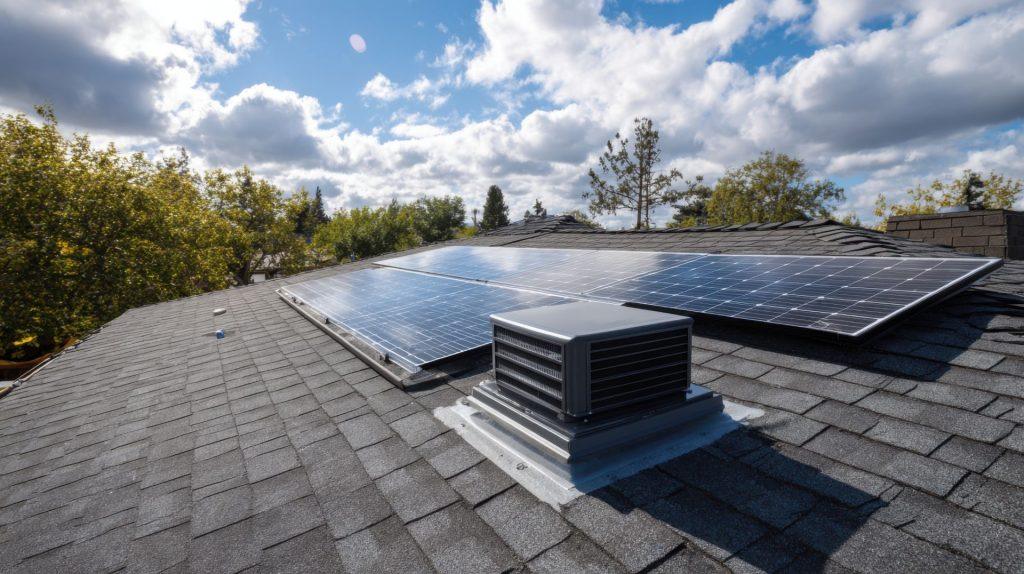
Roof ventilation is one of those features most homeowners rarely think about, yet it plays a crucial role in maintaining a healthy and efficient property.
When air can circulate freely through the loft or roof space, excess heat and moisture are kept under control, helping to protect both the structure and the comfort of the home.
Without proper ventilation, the roof environment becomes stagnant, allowing humidity to rise and creating the ideal conditions for damp and deterioration.
In many homes, ventilation issues develop slowly and go unnoticed for years.
Moisture builds up little by little, eventually leading to structural concerns and insulation problems that could have been avoided with the right airflow.
Understanding why roof ventilation matters and how it supports the overall health of your home is a vital step towards long-term property protection.
How Roof Ventilation Works
Roof ventilation works by creating a continuous flow of air through the roof space, allowing stale, moist air to escape while drawing in fresh, cooler air.
Most systems rely on a combination of intake vents, usually located in soffits, and exhaust vents positioned higher up, such as ridge or tile vents.
This natural movement of air helps regulate the temperature and humidity levels inside the loft.
When a roof lacks sufficient ventilation, warm air becomes trapped, especially in colder months when heating is used more frequently.
This warm air rises and condenses on cold surfaces, leading to dampness and potential damage. A balanced ventilation system prevents this buildup by ensuring air moves efficiently throughout the space.
Common Signs of Poor Roof Ventilation
One of the most noticeable signs of poor roof ventilation is condensation within the loft. Homeowners may find damp patches on insulation, droplets on roofing felt, or even moisture dripping from timbers during winter.
Over time, this environment can produce musty odours and encourage the growth of mould or mildew.
Another key indicator is visible deterioration of the roof structure, such as warped or weakened timbers.
You may also notice increased indoor humidity or excessive heat in the loft space during summer.
These issues often signal that air is not circulating as it should, allowing moisture and heat to accumulate unchecked.
The Link Between Ventilation and Damp
Damp problems often begin with moisture becoming trapped in the loft. Everyday activities such as cooking, showering, and drying clothes release water vapour into the home, and much of this rises into the roof space.
Without adequate ventilation, this moisture lingers, condenses on cold surfaces, and gradually saturates the timber and insulation.
As dampness progresses, it can lead to more serious complications, including mould, rot, and structural decay.
These issues not only weaken the roof but can also impact the indoor environment, contributing to poor air quality and potential health concerns for occupants.
Proper ventilation helps prevent these problems by continuously removing moisture before it can cause damage.
Impact on Insulation Performance
Insulation is designed to keep your home warm, but when it becomes damp, its effectiveness is drastically reduced.
Moist insulation loses its ability to trap heat, which can result in higher heating bills or rooms that feel colder than usual. This inefficiency often goes unnoticed until utility costs rise noticeably.
In addition to reduced performance, damp insulation can begin to degrade, leading to sagging or clumping that further diminishes its capabilities.
Over time, this can result in the need for complete insulation replacement, a costly job that could often be avoided with proper roof ventilation.
Benefits of Proper Roof Ventilation
Good roof ventilation offers several long-term benefits, starting with the prevention of damp and moisture-related issues.
By maintaining a dry environment within the roof space, you protect your timbers, roof coverings, and insulation, extending the lifespan of your entire roofing system.
This proactive approach can save significant money on repairs and replacements.
Ventilation also enhances energy efficiency, helping your home stay warmer in winter and cooler in summer.
With temperature and moisture levels properly managed, your heating system doesn’t need to work as hard, leading to lower energy consumption.
Additionally, a well-ventilated roof contributes to a more comfortable and healthier indoor living environment.
Types of Roof Ventilation
There are several options available for homeowners looking to improve roof ventilation. Ridge vents, which run along the top of the roof, are effective at allowing warm air to escape naturally.
Soffit vents placed under the eaves draw in cooler air, creating a balanced and continuous airflow throughout the roof space.
Tile vents and gable vents provide additional solutions depending on the roof’s design and specific needs.
In some situations, especially where moisture problems are recurring, mechanical ventilation may be recommended to ensure constant airflow.
A roofing professional can help determine the most suitable option for each property.
How Homeowners Can Improve Roof Ventilation
Improving roof ventilation often begins with simple checks.
Homeowners should ensure that existing vents are not blocked by insulation, debris, or bird nests. Keeping the roof space tidy and ensuring insulation is correctly installed without obstructing airflow can also make a significant difference.
For more substantial improvements, adding additional vents or upgrading outdated systems may be necessary.
Regular roof inspections by a qualified professional can help identify issues early and ensure your ventilation system is functioning properly. Taking these steps helps maintain the long-term health of your home.
When to Call a Professional
If you notice persistent damp, mould, or signs of structural deterioration, it’s important to seek expert help. While basic checks can be done independently, underlying ventilation problems often require professional assessment and repair.
A specialist can evaluate the entire system and recommend appropriate solutions.
Professionals also have the tools and expertise to safely address issues that may not be visible to the untrained eye.
Whether it’s installing new vents, repairing damaged timbers, or improving insulation, a qualified roofer ensures the work is carried out safely and effectively.
Early intervention can prevent costly damage in the future.
Conclusion
Proper roof ventilation is essential for preventing damp, protecting insulation, and maintaining the structural integrity of your home.
By ensuring airflow is well balanced, you reduce the risk of long-term damage and improve your home’s overall comfort and efficiency.
Taking a proactive approach to ventilation maintenance can save significant time and money in the long run.
With regular checks and timely professional support, homeowners can enjoy a healthier, more resilient property for years to come.