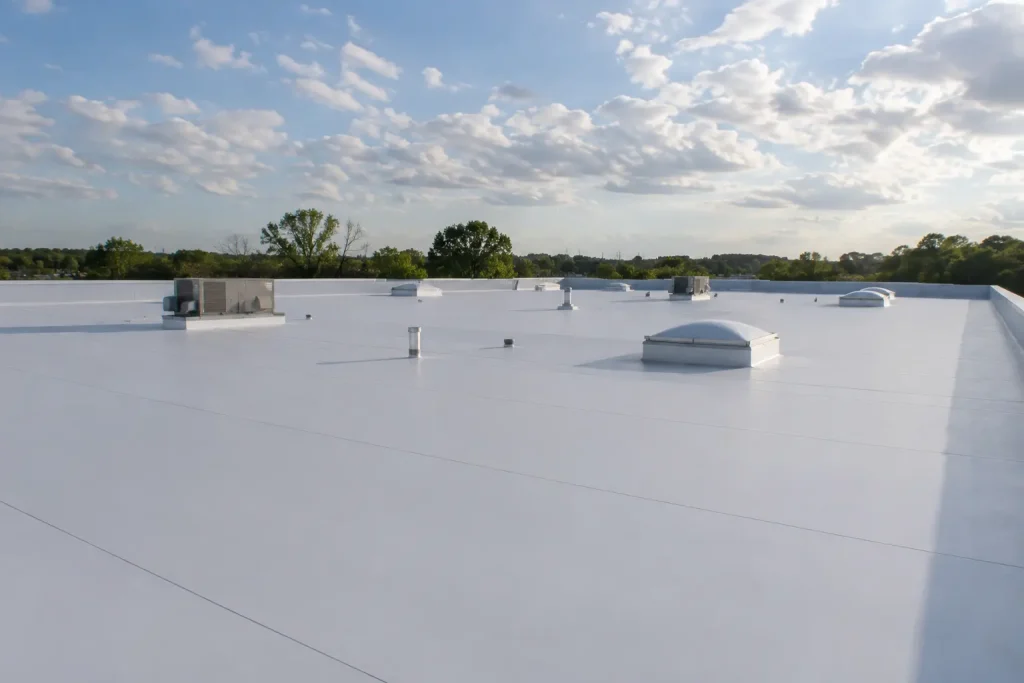
Flat roofs have become a popular choice for both homes and commercial buildings across the UK. One roofing system that continues to grow in popularity is Single Ply Roofing. It offers a modern, durable, and cost-effective way to protect buildings from the weather while keeping maintenance low.
In this guide, we explain exactly what single ply roofing is, how it works, the different membrane types available, installation methods, expected costs, and whether it is the right option for your property.
What is Single Ply Roofing?
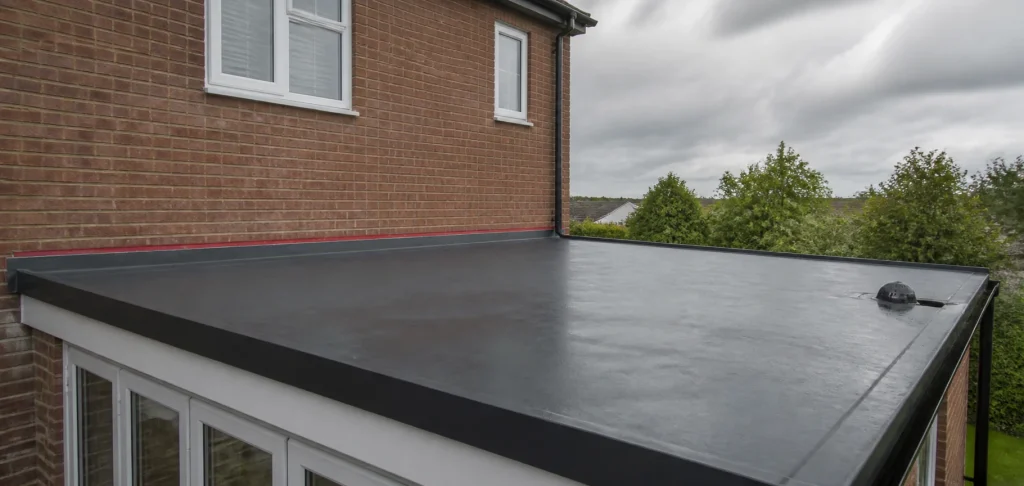
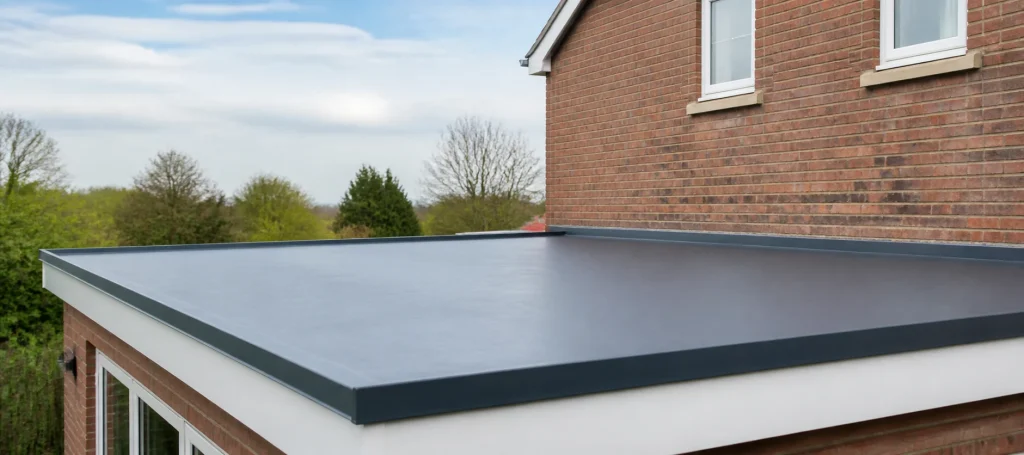
Single Ply Roofing is a waterproof roofing system made from a single layer of synthetic membrane. The membrane is installed over insulation or roof decking to create a strong weatherproof barrier system.
Single ply membrane roofing is mainly used on flat or low-pitched roofs. It is lightweight, flexible, and designed to resist rain, UV exposure, temperature changes, and general wear over time.
Modern single ply roofing systems are commonly used on:
- Commercial buildings
- Extensions
- Garages
- Apartment blocks
- Schools
- Warehouses
- Residential flat roofs
Unlike traditional felt roofing, single ply systems use large sheets with fewer seams. This helps reduce the risk of leaks and improves long-term performance.
How Does Single Ply Roofing Work?
Single ply roofing works by creating a continuous waterproof roofing membrane across the surface of the roof.
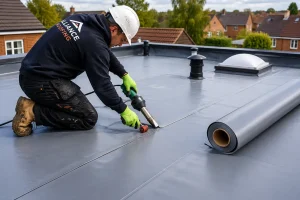
The membrane is installed in large sheets and joined together using heat welding, adhesives, or mechanical fixings depending on the roof structure and membrane type.
Once installed correctly, the roof becomes:
- Waterproof
- UV resistant
- Flexible during temperature changes
- Resistant to standing water
- Long lasting with minimal maintenance
Because the membrane is lightweight, it places less stress on the building structure compared to heavier roofing systems.
Types of Single Ply Roofing Membranes
There are several types of single ply membranes available. Each has different strengths depending on the building type, budget, and project requirements.
PVC Single Ply Roofing
PVC single ply roofing is one of the most widely used systems in the UK.
PVC membranes are strong, flexible, and highly resistant to chemicals, moisture, and fire. They are commonly used on commercial single ply roofing projects because they perform well in demanding environments.
Benefits include:
- Strong welded seams
- Excellent waterproofing
- Fire resistance
- Long lifespan
- Good energy efficiency
PVC systems are often installed on offices, retail units, and industrial buildings.
EPDM Single Ply Roofing
EPDM single ply roofing is made from synthetic rubber.
It is known for excellent weather resistance and flexibility. EPDM performs particularly well in cold temperatures and can expand and contract without cracking.
Advantages include:
- UV resistance
- Long lifespan
- Minimal maintenance
- Flexible installation
- Strong weather protection
EPDM is commonly used for residential flat roofs, garages, and extensions.
TPO Single Ply Roofing
TPO single ply roofing combines the flexibility of rubber with the strength of thermoplastic membranes.
TPO systems are becoming increasingly popular because they are energy efficient and environmentally friendly.
Benefits include:
- Reflective surface helps reduce heat absorption
- Good puncture resistance
- Durable seams
- Lightweight installation
- Recyclable materials
TPO membranes are often used on modern commercial properties and energy efficient developments.
What Are the Benefits of Single Ply Roofing?
Single ply roofing benefits go beyond waterproofing alone. It is one of the most versatile roofing systems available today.
Lightweight Roofing System
Single ply membranes are much lighter than many traditional roofing materials. This makes installation easier and reduces structural load on the building.
Excellent Waterproofing
The waterproof roofing membrane creates a strong barrier against rain and moisture. Heat welded seams also help minimise leak risks.
Long Lifespan
A professionally installed system can last between 20 and 40 years depending on the membrane type and maintenance.
Fast Installation
Single ply roofing installation is generally quicker than many traditional flat roofing methods. Large membrane sheets cover more surface area with fewer joints.
Low Maintenance
Most systems require very little maintenance once installed correctly. Regular inspections and basic cleaning are usually enough.
Energy Efficiency
Reflective membrane surfaces can help reduce heat absorption during warmer weather. This may improve overall energy efficiency within the building.
Flexible Design Options
Single ply roofing works well on:
- Flat roofs
- Low pitched roofs
- Curved roof designs
- Residential properties
- Commercial developments
What Are the Disadvantages of Single Ply Roofing?
While single ply roofing offers many advantages, there are also a few factors to consider before installation.
Installation Quality Matters
Poor installation can lead to seam failure or water penetration. This is why working with experienced single ply roofing contractors is important.
Puncture Risk
Although durable, some membranes can become damaged by sharp objects or heavy foot traffic if not properly protected.
Material Costs Can Vary
Premium membrane systems may cost more upfront than traditional felt roofing. However, the longer lifespan often provides better long term value.
Single Ply Roofing Cost in the UK
Single ply roofing cost depends on several factors including roof size, membrane type, insulation requirements, access, and installation complexity.
Average UK costs are typically:
| Roofing Type | Average Cost Per m² |
| EPDM Single Ply Roofing | £70 to £110 |
| PVC Single Ply Roofing | £80 to £130 |
| TPO Single Ply Roofing | £90 to £140 |
Additional costs may include:
- Roof insulation
- Edge trims
- Roof drainage work
- Existing roof removal
- Structural repairs
Commercial roofing projects may vary significantly depending on building size and specification.
At Alliance Roofing, we provide clear quotations with honest recommendations based on your property and budget.
How is Single Ply Roofing Installed?
Single ply roofing installation usually follows a structured process to ensure long-term performance.
- Roof Inspection
We first inspect the roof structure to identify any damage, moisture issues, or structural concerns.
- Surface Preparation
The existing roof surface is cleaned and prepared. Damaged decking or insulation is replaced if required.
- Installing Insulation
Insulation boards are fitted to improve thermal performance and energy efficiency.
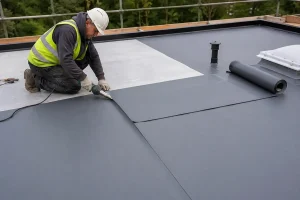
- Membrane Installation
The waterproof membrane is rolled out and fixed using one of three methods:
- Fully adhered systems
- Mechanically fixed systems
- Ballasted systems
- Heat Welding or Sealing
Seams are carefully welded or bonded to create a watertight finish.
- Final Inspection
The completed roof is checked thoroughly to ensure all joints, edges, and drainage areas are sealed correctly.
Where is Single Ply Roofing Commonly Used?
Single ply roofing is suitable for many building types.
Residential Properties
Many homeowners choose flat roof single ply roofing for:
- Extensions
- Garages
- Dormers
- Garden rooms
Commercial Buildings
Commercial single ply roofing is widely used for:
- Warehouses
- Retail units
- Schools
- Apartment blocks
- Offices
The lightweight system makes it ideal for large roof areas.
Single Ply Roofing vs Traditional Felt Roofing
| Feature | Single Ply Roofing | Traditional Felt Roofing |
| Lifespan | 20 to 40 years | 10 to 20 years |
| Weight | Lightweight | Heavier |
| Installation Time | Faster | Slower |
| Seam Quantity | Fewer seams | More joints |
| Maintenance | Low | Moderate |
| UV Resistance | Excellent | Moderate |
For many modern buildings, single ply systems provide better long term value and performance.
Common Problems with Single Ply Roofs
Even high quality roofs can develop problems if not maintained properly.
Common issues include:
- Poor seam welding
- Blocked drainage outlets
- Membrane punctures
- Standing water
- Flashing failures
Regular inspections help identify issues before major damage occurs.
If leaks or damage appear, prompt single ply roof repair can prevent more expensive structural problems later.
How to Maintain a Single Ply Roof
Simple maintenance can significantly extend roof lifespan.
We recommend:
- Annual roof inspections
- Removing leaves and debris
- Checking drainage outlets
- Inspecting seams and flashings
- Repairing punctures quickly
Commercial properties may require more frequent inspections depending on roof usage.
Is Single Ply Roofing Right for Your Property?
Single ply roofing is a strong option if you want:
- A modern flat roofing system
- Long lasting waterproof protection
- Low maintenance roofing
- Fast installation
- Energy efficient performance
It works particularly well for flat roofs and low slope structures where reliable waterproofing is essential.
However, every property is different. The right roofing system depends on your budget, building design, and long term plans.
Why Choose Our Roofing Team?
Alliance Roofing provide professional roofing services across Yorkshire for residential and commercial properties.
We focus on:
- High quality workmanship
- Honest advice
- Durable roofing systems
- Clear communication
- Reliable aftercare
Whether you need a new flat roof, roof replacement, roof repairs, or expert advice, our team is here to help.
- Single ply roofing uses a single waterproof membrane layer.
- It is ideal for flat and low-pitched roofs.
- Common membrane types include PVC, EPDM, and TPO.
- Single ply roofs are lightweight, durable, and low-maintenance.
- Installation quality is essential for long-term performance.
- Costs vary depending on membrane type and roof size.
- Regular inspections help maximise roof lifespan.
Frequently Asked Questions
How long does single ply roofing last?
Most single ply roofing systems last between 20 and 40 years when installed and maintained correctly.
Is single ply roofing waterproof?
Yes. Single ply systems are designed to create a fully waterproof roofing membrane that protects against rain and moisture.
Is EPDM better than PVC roofing?
Both systems perform well. EPDM offers excellent flexibility and weather resistance, while PVC provides strong chemical resistance and welded seams.
Can single ply roofing be repaired?
Yes. Small punctures, seam failures, and flashing issues can often be repaired without replacing the entire roof.
Is single ply roofing suitable for homes?
Yes. Single ply roofing is commonly used on home extensions, garages, dormers, and modern residential buildings.