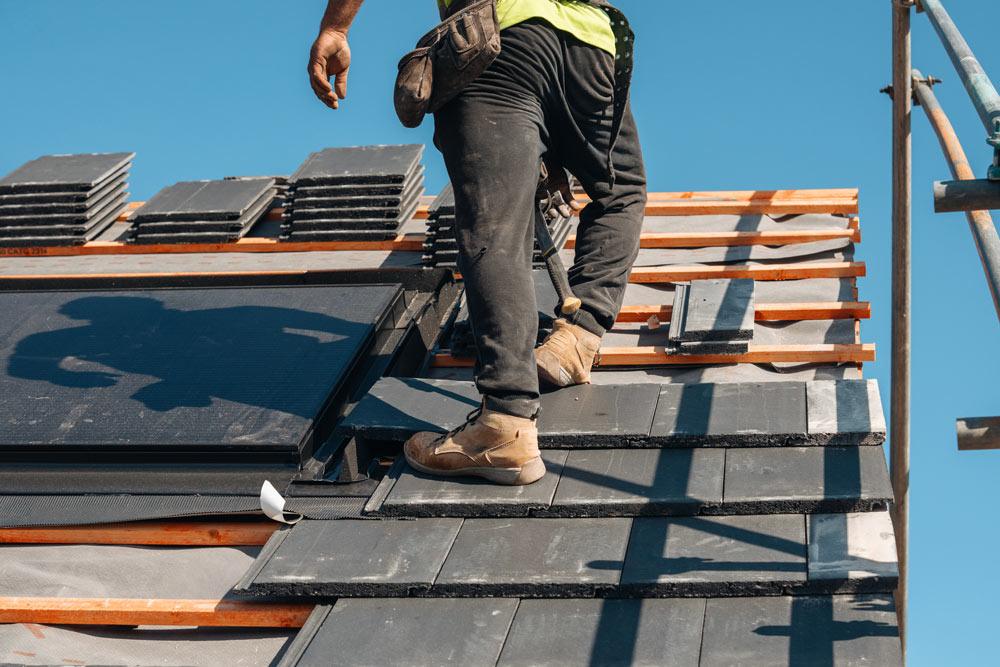
Many homeowners tend to underestimate the true lifespan of their roof, while others assume it will last far longer than it realistically can.
A roof is one of the most significant investments in a property, and understanding its longevity helps with budgeting, planning maintenance, and ensuring insurance coverage is adequate.
Knowing when a roof might need attention can prevent small issues from turning into major, costly repairs.
In Yorkshire, with its often wet and windy climate, roofs face additional strain compared to milder regions.
This guide aims to provide clear, realistic expectations for the lifespan of different roof types, highlighting the factors that affect durability and offering advice on keeping your roof in good condition for as long as possible.
Factors That Influence Roof Lifespan
The material used for your roof plays a major role in how long it will last.
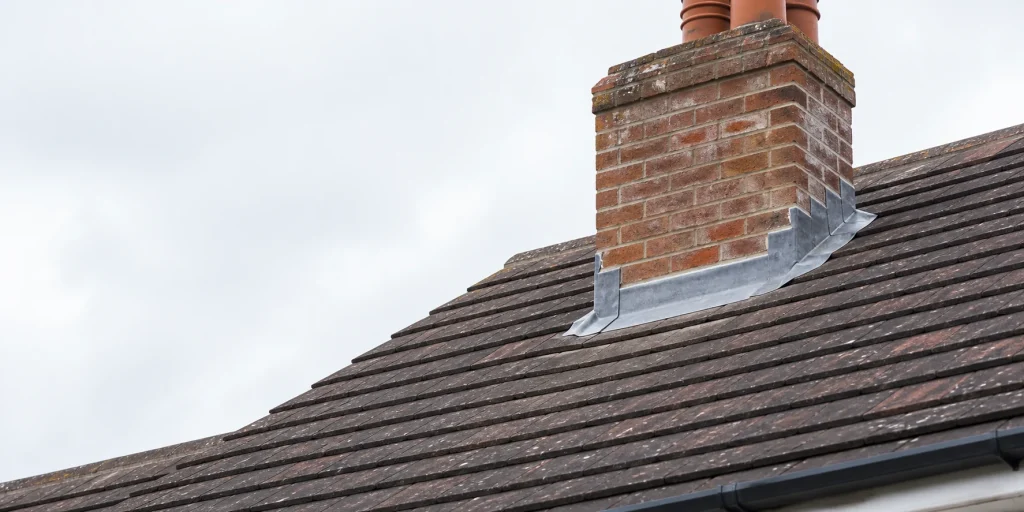
Traditional slate and clay tiles are renowned for their longevity, often outlasting other types of roofing, while concrete tiles and flat roofing systems generally have shorter lifespans.
Metal roofs, though increasingly popular, also vary depending on the type of metal and protective coating applied.
Equally important is the quality of installation. Even the best materials can fail prematurely if poorly fitted. Local weather conditions, particularly the frequent rain, frost, and strong winds common in Yorkshire, can accelerate wear.
Regular maintenance, such as clearing gutters, inspecting roof coverings, and promptly addressing minor damage, can significantly extend the life of a roof.
Typical Lifespan by Roof Type
Slate roofs are among the most durable, often lasting 80 to 100 years or more when properly installed.
High-quality natural slate can endure decades with minimal maintenance, though occasionally a slate may crack or slip and require replacement.
Clay tiles generally have a lifespan of around 50 to 70 years. They are strong and resistant to fire, but can crack in severe frost or if impacted by falling branches.
Concrete tiles, while popular for their affordability, usually last 30 to 50 years and may need additional structural support due to their weight.
Metal roofing, such as aluminium or steel with protective coatings, tends to last between 40 and 70 years, depending on maintenance and environmental exposure.
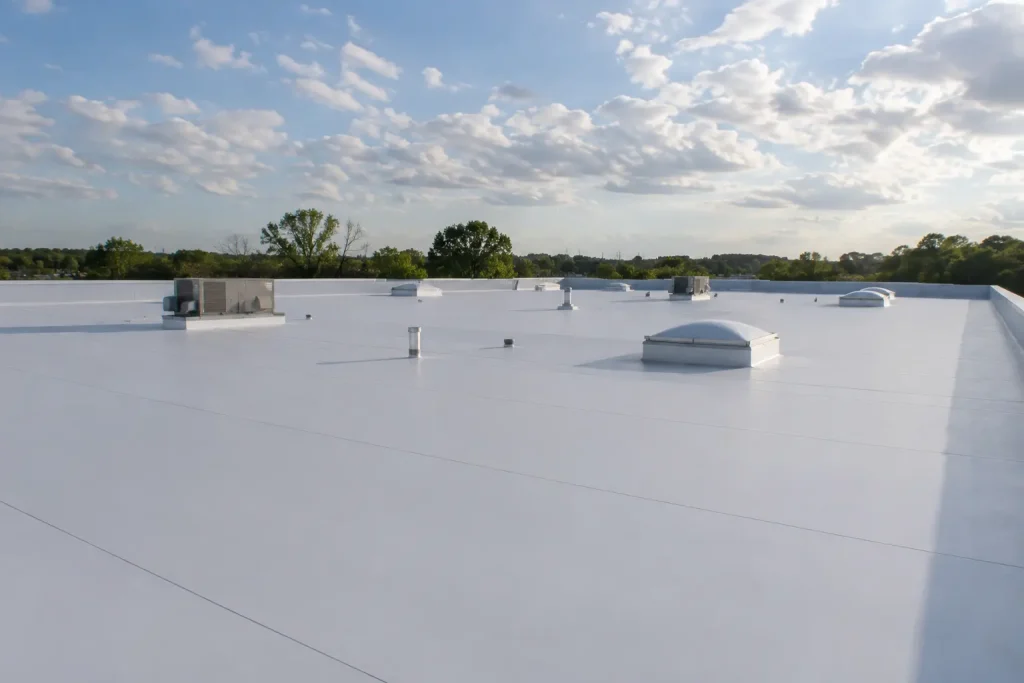
Flat roofs, common on extensions and garages, are generally the shortest-lived, lasting 10 to 30 years depending on the material used—EPDM rubber, felt, and GRP fibreglass all have different longevity profiles.
Signs Your Roof May Be Nearing the End of Its Life
One of the clearest indications that a roof is ageing is damaged or missing tiles or slats.
Cracks, curling edges, or tiles that have slipped out of place can allow water ingress and signal that replacement may soon be necessary.
Inside the home, water stains on ceilings or persistent leaks are a strong warning sign.
Other indicators include sagging sections of the roof, rot in timber supports, or excessive moss and lichen growth, all of which suggest the roof is deteriorating faster than expected.
When to Consider Repair vs Replacement

Minor repairs are often sufficient for isolated problems, such as a handful of cracked or slipped tiles.
Addressing these promptly can prevent further damage and extend the overall life of the roof.
Partial replacement may be needed when larger sections show consistent signs of wear or multiple small repairs have already been carried out.
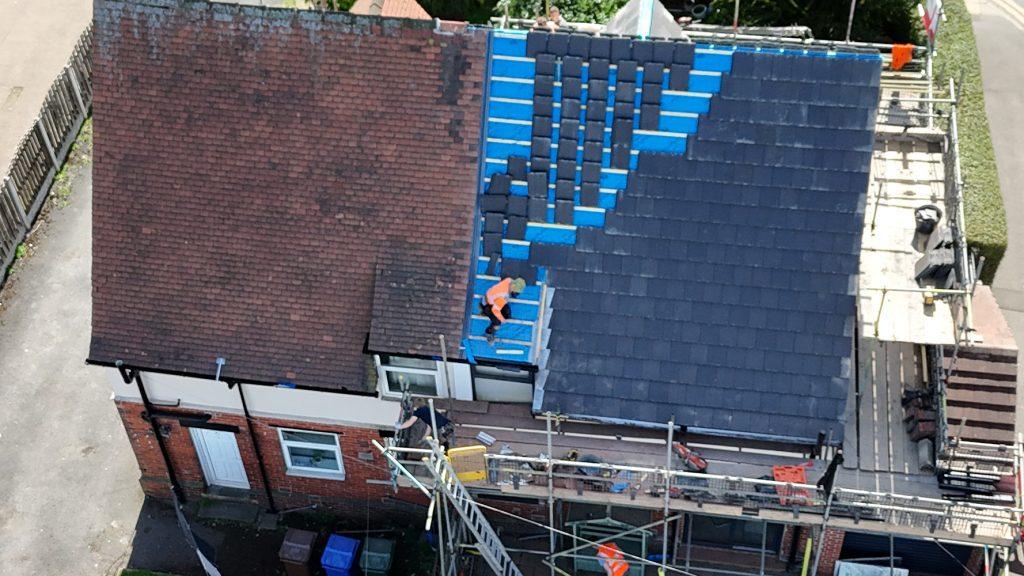
Full replacement becomes necessary when the roof is approaching the end of its expected lifespan, structural issues are present, or repeated repairs are no longer cost-effective.
Tips for Maximising Your Roof’s Lifespan
Regular inspections are key to maintaining a healthy roof. Ideally, roofs should be checked twice a year—once in spring and again after the autumn storms.
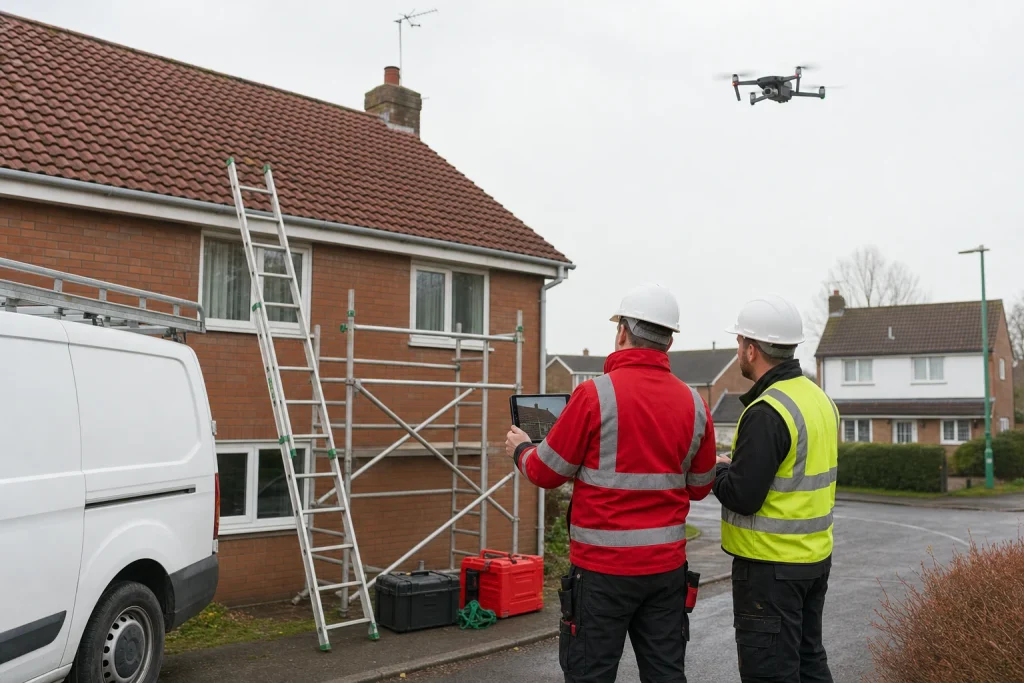
Professional inspections can spot problems that are not immediately visible from the ground.
Prompt repairs are also vital. Keeping gutters, downpipes, and roof valleys clear prevents water accumulation that can accelerate decay.
Considering a professional maintenance plan can give peace of mind and ensure your roof receives consistent attention, helping to avoid sudden, unexpected costs.
Conclusion
Understanding how long different roof types should last helps homeowners make informed decisions about maintenance and replacement.
Realistic expectations, combined with regular care, can prevent costly surprises and prolong the life of your roof.
If you’re unsure about the condition of your roof, contacting a local Yorkshire roofer for a personalised assessment is the safest way to ensure it remains in good shape for many years to come.