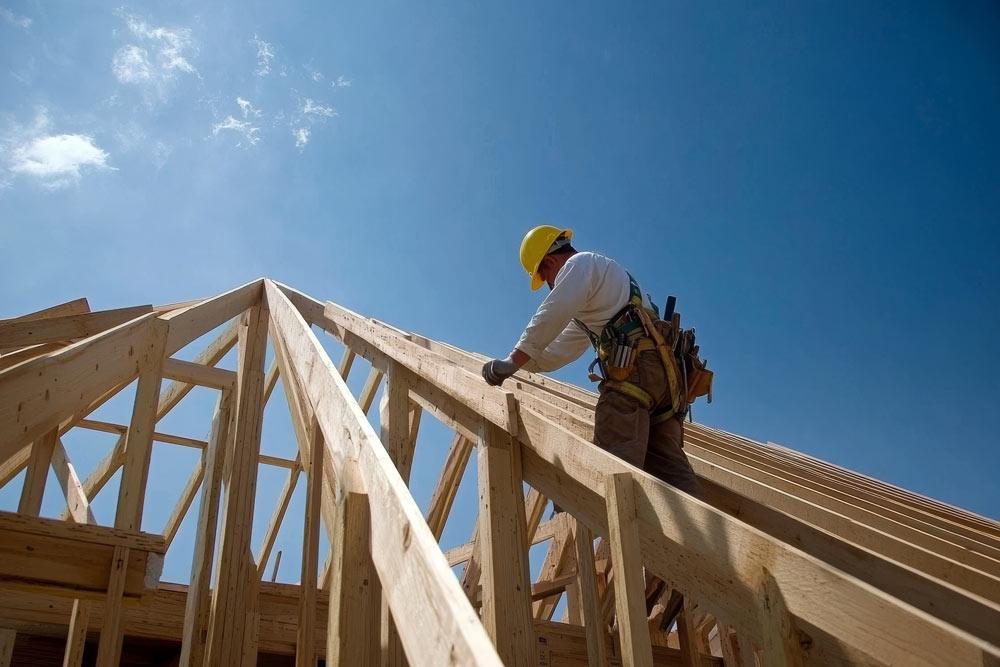
Preparing to have your home’s roof replaced can be a pretty daunting task at first. Its easy to get caught up in thoughts of what the place will look like when it’s all done and forget just how involved the actual process is.
A little bit of forward thinking beforehand can make the whole thing a lot less stressful and a lot less of a disruption.
In my experience, homeowners who actually take the time to get organised before the work starts tend to feel a lot more in charge of the whole thing from the moment it begins.
And you don’t even need to be perfect or overly organised – just a few sensible steps to take can make a big difference and help prevent a lot of stress.
What to Expect When Your Roof Gets Replaced
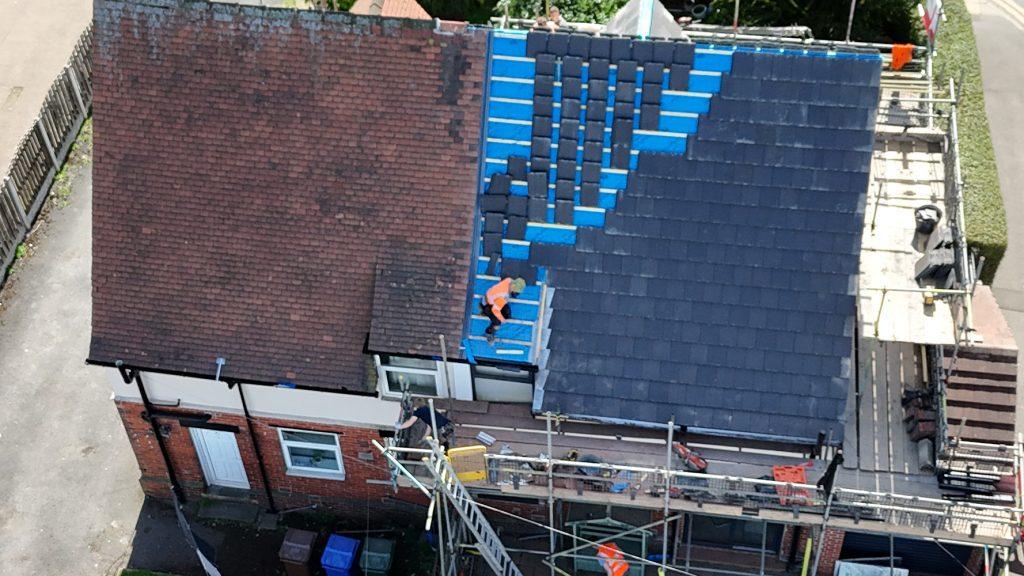
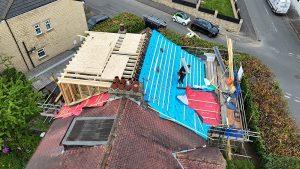
A roof replacement is a lot more than just swapping old tiles for new ones. First off, the scaffolding has to go up, then the old materials get taken down, and the structure underneath gets inspected.
This first stage can be pretty noisy and may turn up problems that weren’t visible from the ground.
Knowing all this in advance can really help manage people’s expectations, and that means you’ll be less likely to be caught off guard by the sound of work going on overhead or the time it takes to get each stage finished.
And it also explains why you may find that access around the property is restricted for a short while.
Making Your Loft Space Ready
The loft is usually the area that gets the worst of it when it comes to a roof replacement.
Dust, debris and bits of old material can get into the loft space once sections of the roof get opened up. Clearing out as much as you can will give the roofers space to work and will also protect your belongings.
If moving everything out of the loft is just not an option, it might be worth covering things up with sheets or plastic. And it’s also worth taking a look in the loft for any problems with damp or insulation that might have been hidden until now.
These are often things that come to light when you’re doing roofing work, and it can be really helpful to sort them out while you’ve got access to the loft space.
Preparing the Outside of Your House
Out in the garden, a bit of organisation can go a long way. Try to move any vehicles away from the house – getting debris or equipment falling off scaffolding can be a real hazard, as can the constant coming and going of the roofing team.
Garden furniture, bins and potted plants should also be moved to a safe place if you can.
You may also need to make space for skips and deliveries – a roof replacement can generate a lot of waste, so having clear access can really help the job get done quicker.
And yes, it may look a bit of a mess for a few days, but that’s usually temporary.
Getting Your Home in Order
Inside the house, the biggest problems can be the noise and vibration. Hamming and footsteps from the roof can travel through the structure, especially if you’ve got an older house.
If you’ve got fragile items on shelves, you may need to secure them or move them to a safer spot.
If you work from home, it may be worth planning – some people choose to work from another room, or adjust their schedule to avoid the loudest parts of the job.
It’s not ideal, but knowing when the disruption is likely to happen can really help you adapt.
Neighbours and Shared Areas
If you’ve got neighbours who use shared spaces like driveways or parking, it’s usually a good idea to let them know about the upcoming work.
A roof replacement can affect these shared areas, especially if you live in a terraced or semi-detached house. A quick chat with your neighbours can really help prevent any misunderstandings later.
Most people are pretty understanding if they know what to expect and for how long.
And if they need to move their car or adjust their routine slightly while the work is underway, they’ll often be more than happy to do so.
Staying Safe at Work
Safety is really important, especially if you’ve got kids or pets around. Scaffolding can look like a tempting bit of climbing equipment, and tools can get left out temporarily.
Setting clear boundaries with the roofing team can really help reduce the risks.
It’s a good idea to agree on restricted areas with the team, and, where possible, keep doors locked and supervise outdoor play until the work is finished.
Working Out the Details Beforehand
Before the work starts, it’s a good idea to confirm a few practical details like start times and access arrangements.
Knowing who your main point of contact is can be really reassuring if you do have any questions that come up during the job.
Weather is also worth a thought – roofing work is usually planned around the forecast, but delays can still happen.
A bit of flexibility can really help, as the weather can change quickly, and safety always comes first.

What to Expect After the Roof is Finished
Once the roof is complete, there are usually a few final checks to make sure everything is fitted correctly.
Waste materials and scaffolding will get removed, and it may take an extra day or two, depending on how busy things are.
You may notice a few small changes inside the house – it’s warmer, or there are fewer draughts. It can take a little while to get used to, but these are usually signs that the new roof is doing its job.
Final Thoughts
Preparing your home for a roof replacement doesn’t have to be a complicated process. A few sensible steps and a bit of realistic expectation can make the whole experience a lot less daunting.
While some disruption is inevitable, getting ready can really help reduce the impact on your day to day life. In the end, the temporary hassle is usually worth it to have a secure, well fitted roof overhead.
Get in touch with us today for more information