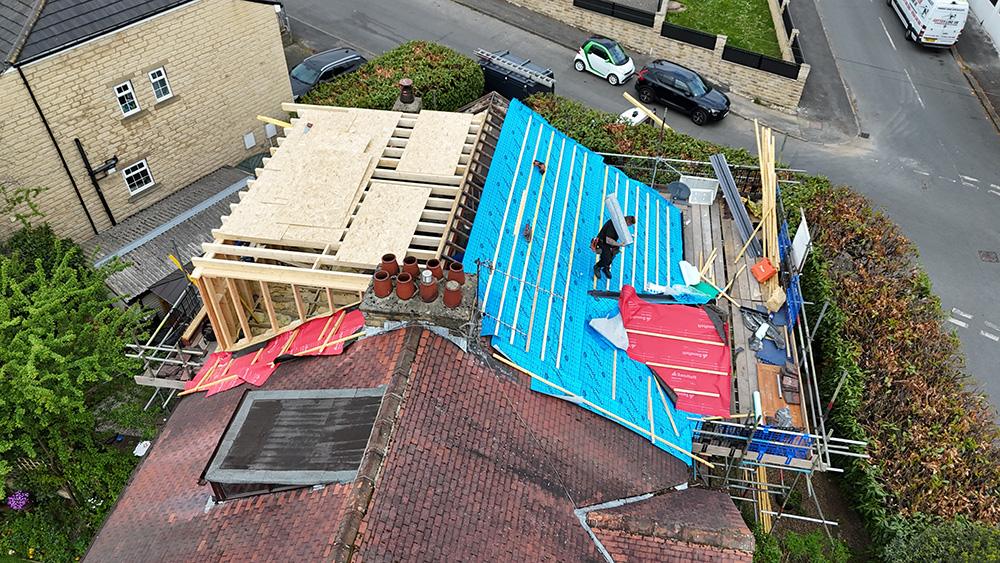
Storms can strike unexpectedly, leaving roofs damaged and homeowners feeling anxious. Heavy rain, strong winds, or fallen debris can quickly turn minor issues into serious problems if not addressed promptly.
Acting swiftly, while prioritising safety, can make a significant difference in minimising further damage until professional help arrives.
Understanding what steps to take immediately after a storm ensures your home remains as protected as possible. Even small interventions can prevent water ingress, structural weakening, and costly repairs.
Being prepared with a clear plan can reduce stress during what is already a challenging situation.
Assessing the Damage Safely
Once the storm has passed, it is essential to carry out a careful assessment of your roof. Avoid climbing onto wet or unstable surfaces, as this can lead to serious injury.
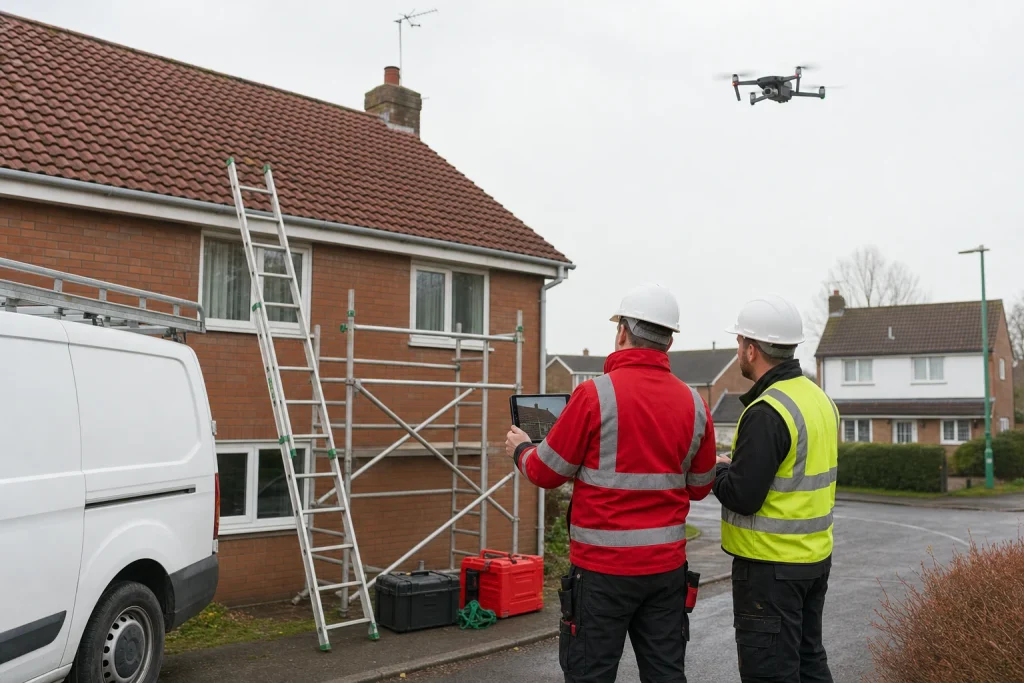
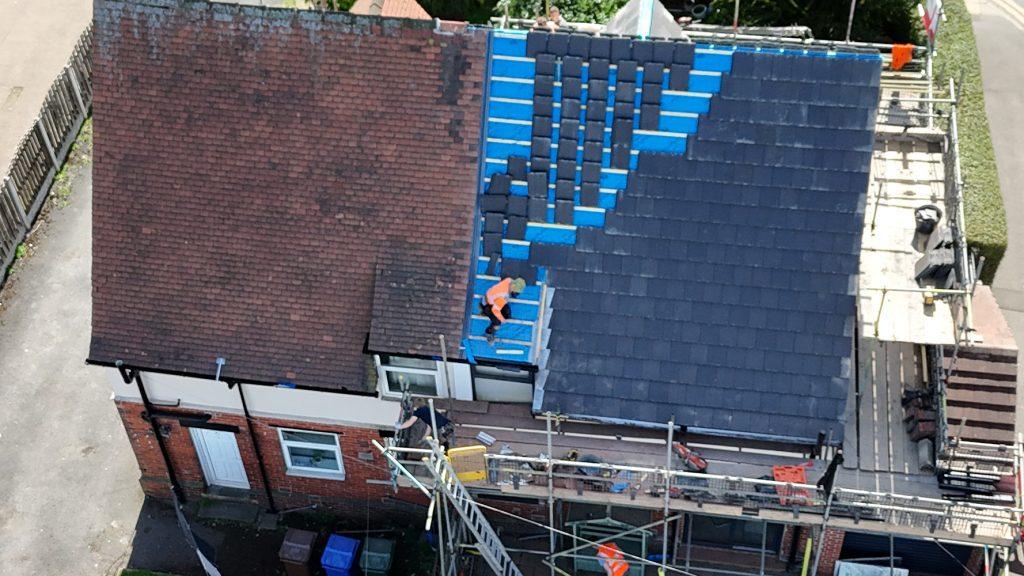
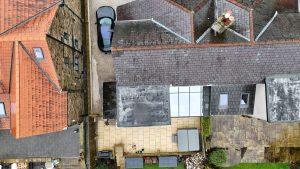
Instead, consider using binoculars from a safe vantage point to inspect the roof and identify obvious signs of damage, such as missing tiles, displaced slates, or broken gutters. Another way you can get a safe overview is a professional drone survey.
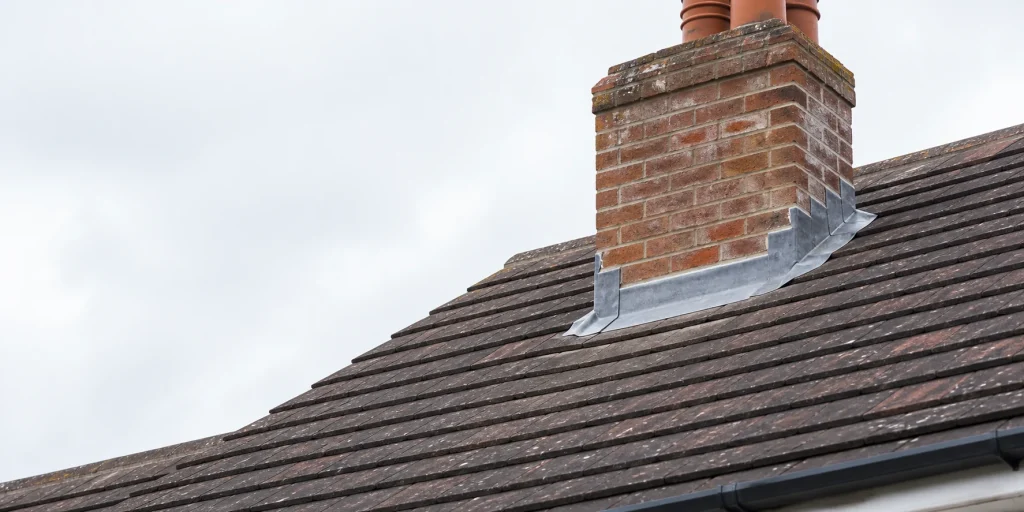
Take note of any structural concerns that could worsen if left unattended. Look for sagging areas, water pooling, or damaged flashing.
While a thorough inspection is important, prioritising safety is key — never put yourself at risk by attempting to access dangerous sections of the roof.
Temporary Fixes to Prevent Further Damage
Temporary measures can help protect your home until professional repairs can be carried out.
Covering exposed areas with tarpaulins or waterproof sheeting can prevent rain from entering and causing further internal damage. Ensure any coverings are secured tightly to withstand residual wind or rain.
If it is safe to do so, reposition or secure any loose tiles or slats to reduce the risk of them falling or allowing water in.
Additionally, clearing gutters and downspouts of debris can help prevent blockages that may lead to water pooling and leaks inside the property.
Protecting Your Home Interior
While the roof is being stabilised, it is equally important to protect the interior of your home. Move furniture, electronics, and personal items away from areas where leaks have been identified.
This reduces the risk of water damage and makes clean-up easier.
Placing buckets, towels, or plastic sheeting under leaks can help manage water until repairs are completed.
Even small precautions can make a big difference, preventing carpets, flooring, and valuable belongings from suffering further damage.
Documenting the Damage
Taking photographs and keeping detailed notes is crucial for insurance claims. Capture clear images of all affected areas, highlighting the extent of the damage and any temporary measures taken.
Include close-ups of missing tiles, leaks, or structural issues.
Recording the date and time of the storm, as well as observations of when the damage was first noticed, helps provide a clear timeline.
Well-documented evidence supports your claim and allows roofing professionals to assess and plan repairs more efficiently.
Avoiding Common Mistakes
It can be tempting to attempt major repairs yourself, but this often increases the risk of injury or further damage.
Avoid using ladders on unstable ground or climbing onto wet, slippery surfaces.
Small leaks or seemingly minor issues should not be ignored. Water can quickly infiltrate and compromise ceilings, walls, or insulation.
Addressing the problem with temporary measures and waiting for professional assistance is far safer and more effective.
Preparing for the Professionals
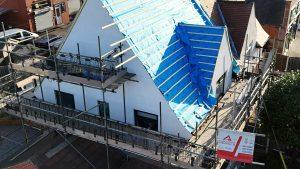
Ensure that access to the property is clear for contractors, removing obstacles that could delay the repair process.
Having your documentation and photographs ready allows the professionals to understand what has occurred and where attention is needed.
Explain any temporary measures you have taken, such as tarpaulin coverage or secured tiles, so the contractors can assess the full scope of the situation.
This preparation helps them work efficiently and ensures that repairs are completed thoroughly and safely.
Conclusion
Acting quickly and carefully after storm damage can significantly reduce the risk of further roof and interior problems.
Temporary measures, combined with safety-conscious assessment, protect your home while waiting for professional repairs.
While it may be stressful to deal with roof damage, following these steps ensures that your home remains as secure as possible.
Prioritising safety, documenting the situation, and preparing for professionals will help minimise costs and prevent additional issues until your roof is fully restored.