Soffits are easy to overlook because they sit underneath the roof edge, but they do a quiet and important job every day. They help close the gap between the wall and the roofline, protect exposed timbers and support airflow into the roof space.
When soffits are damaged, blocked or poorly ventilated, problems can build slowly. Damp air can linger, timber can suffer and the edge of the roof can become more vulnerable to weather. Understanding how soffits work makes it easier to spot early warning signs and keep the roofline in good condition.
What soffits do at the roof edge
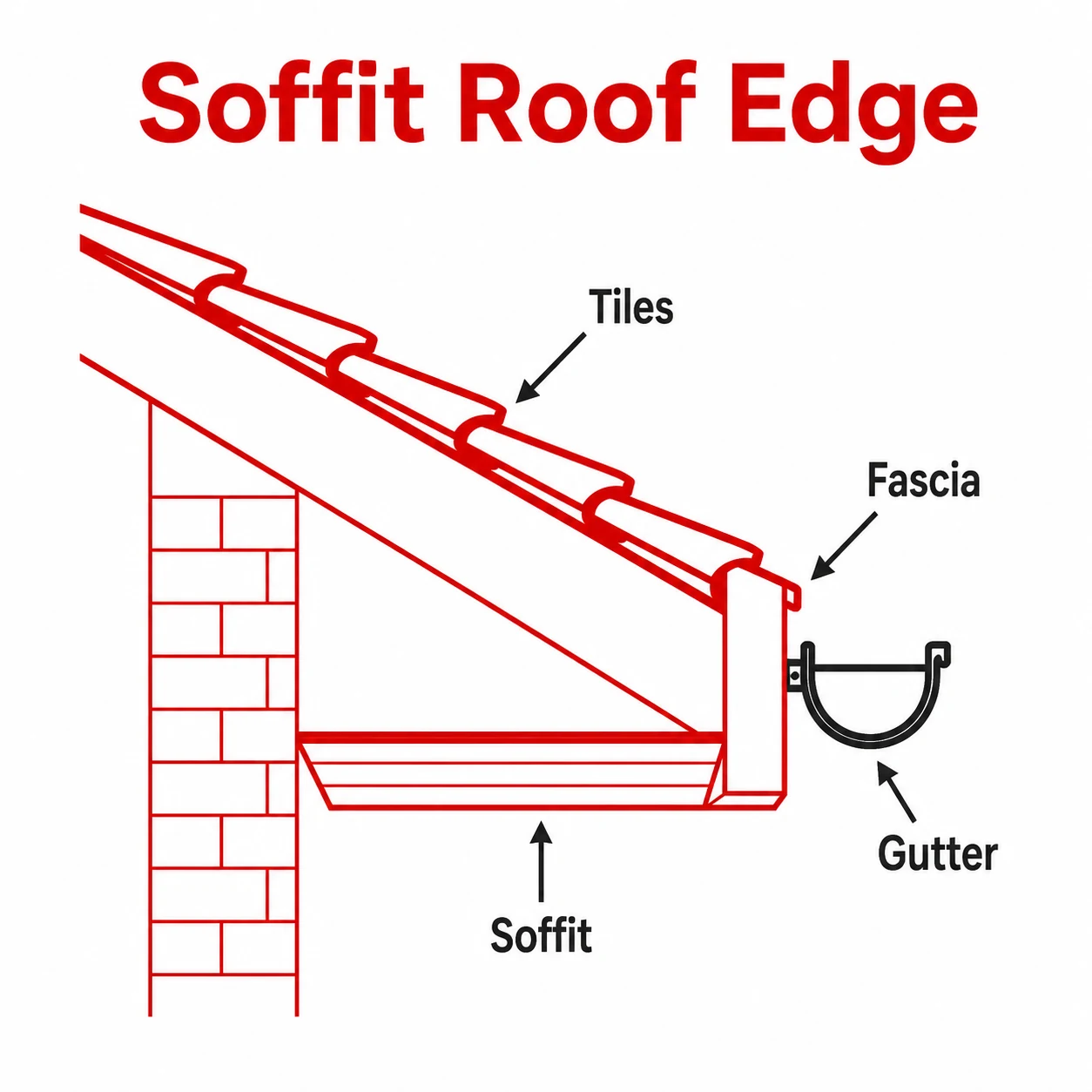
A soffit is the underside section of the roof overhang. If you stand below the edge of a roof and look up, the soffit is the board or panel you see running between the wall and the fascia. It helps create a neat finish, but its real value is practical protection.
The roof edge contains several parts working together. The fascia supports the lower edge of the roofline and often carries the guttering. The soffit closes the underside of the overhang. The gutter collects rainwater and directs it away. When these parts are sound, the roof edge is better protected from wind driven rain, damp air and unwanted gaps.
For many homes and smaller commercial buildings, the soffit also helps with ventilation. Vented soffit boards allow fresh air to enter the roof space at low level. That airflow helps moisture escape rather than settling inside the loft or roof void. If you are looking at wider roofline maintenance, Alliance Roofing provides soffits, fascias and rainwater goods support for properties where these elements need attention.
How soffits support roof space ventilation
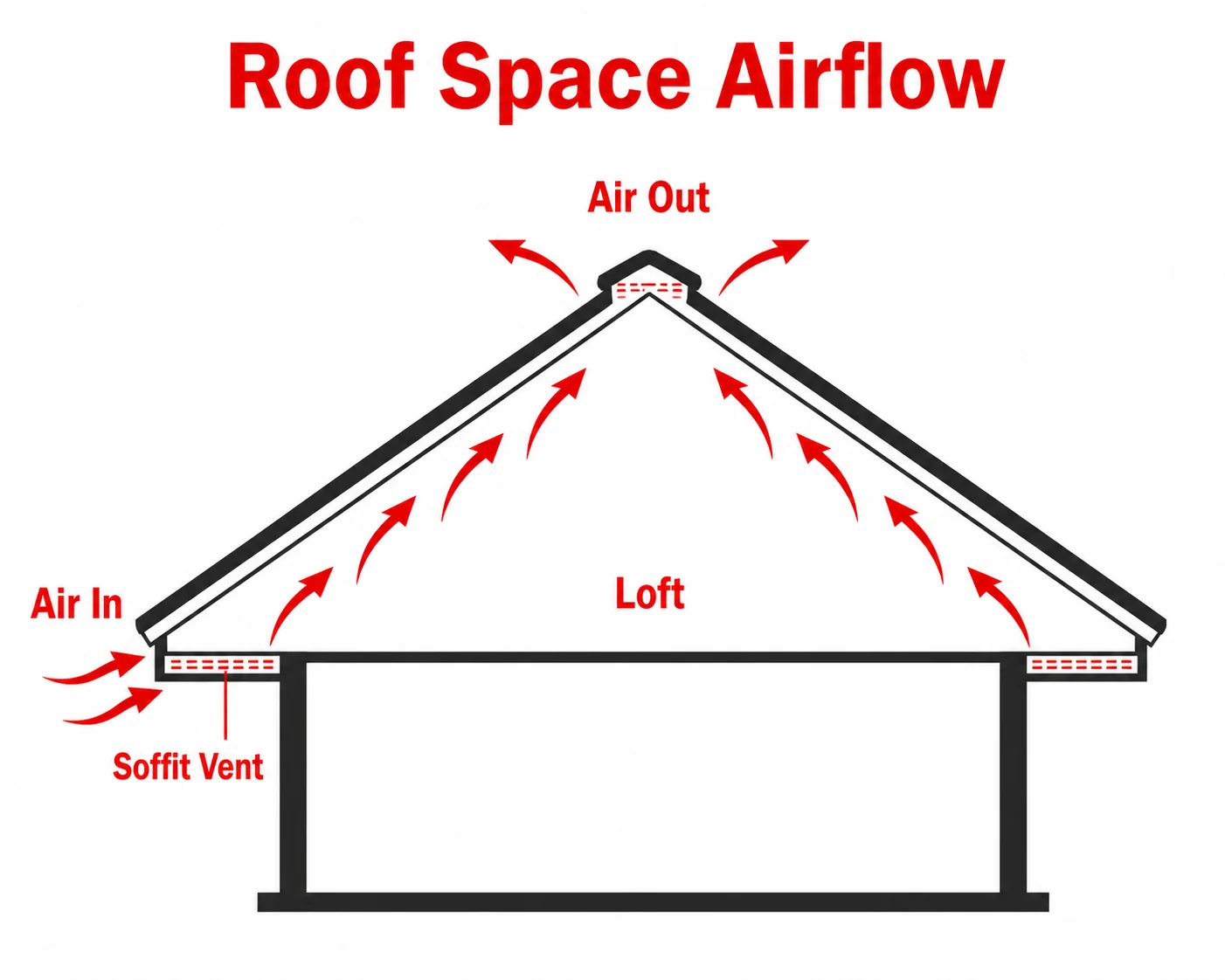
Roof spaces need controlled airflow. Warm air from inside a building can rise into the roof void, especially through small gaps around loft hatches, light fittings and pipework. Everyday moisture from cooking, washing and heating can travel with that air. If it reaches a cold roof space and cannot escape, condensation can form.
Ventilated soffits help by allowing air to enter at the eaves. In a well designed roof, this air moves through the roof space and exits higher up, depending on the roof structure and ventilation system. The aim is not to make the roof space draughty for the sake of it. The aim is steady movement of air so moisture does not sit against timber, felt, insulation or roof coverings.
Blocked or missing ventilation can make a roof space feel stale and damp. Insulation pushed too tightly into the eaves can also restrict airflow, even if the soffit itself is vented. That is why roof edge checks should look at the full detail, not just the visible board outside.
Good ventilation helps reduce the risk of condensation related issues such as musty smells, damp patches, black staining on roof timbers and insulation that feels wet or compressed. These signs do not always mean the soffit is the only cause, but the soffit area is a sensible place to inspect when roof space damp is being investigated.
Why damaged soffits can lead to damp and decay
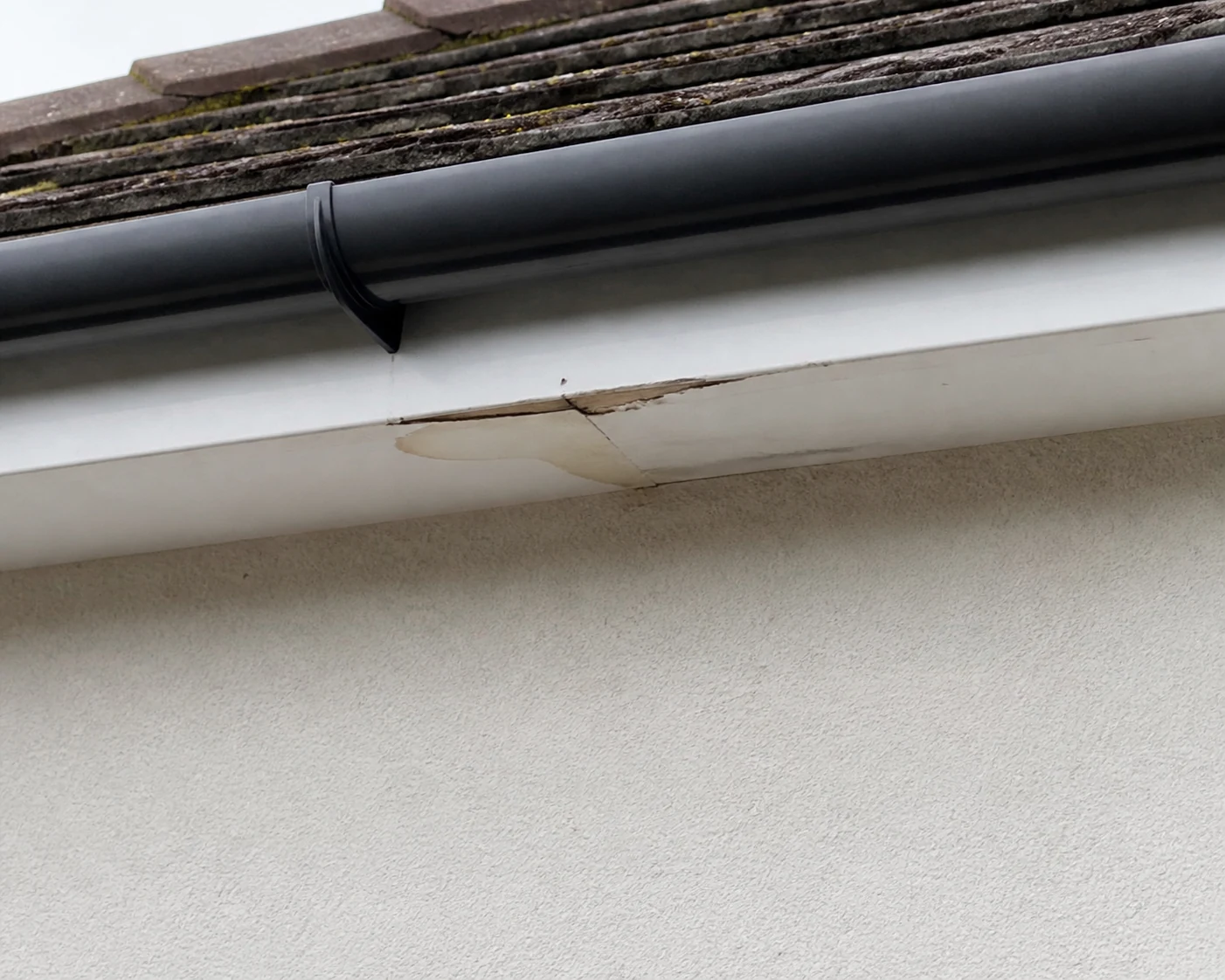
Soffits protect the underside of the eaves from weather exposure. Once a soffit board cracks, sags, rots or comes loose, moisture can reach areas that were meant to stay covered. Over time, this can affect timber behind the roofline and make the edge of the roof less secure.
Older timber soffits can deteriorate if paint fails or water repeatedly reaches the board. Plastic soffits can also suffer if fixings fail, panels move or poor installation leaves gaps. In either case, the issue is not only cosmetic. A small opening at the roof edge can let in damp air, driven rain and debris.
Birds, insects and nesting material can also enter through gaps. Aside from the mess, nesting material can block ventilation paths and hold moisture. That can make an existing damp problem worse.
It is worth separating soffit problems from gutter problems. Blocked gutters can overflow and soak the roof edge, but soffits have their own role in protection and ventilation. If overflowing rainwater is part of the issue, it may help to understand how blocked gutters can lead to roofing problems. If the soffit itself is cracked, rotten or poorly ventilated, that needs its own inspection and repair plan.
Signs your soffits may need attention
Soffit issues often start quietly. You might notice a change outside, or you might first spot symptoms inside the roof space. The earlier these signs are checked, the easier it usually is to stop moisture causing wider roofline problems.
- Peeling paint, staining or flaking on timber soffits
- Cracked, loose, bowed or missing soffit panels
- Dark marks around the roof edge or under the eaves
- Musty smells in the loft or roof void
- Damp insulation close to the eaves
- Visible gaps where the soffit meets the fascia or wall
- Signs of nesting material near the roof edge
- Condensation on roof felt, timbers or stored items
Some of these signs can have more than one cause. Damp at the eaves could involve roof coverings, guttering, fascia boards, insulation depth, ventilation or a combination of factors. That is why a proper roofline check matters. Treating only the most obvious symptom can leave the underlying moisture path untouched.
After severe weather, it is also sensible to check the roof edge from ground level for anything that looks loose or displaced. If a storm has caused visible damage, the guidance in what to do before professionals arrive for storm roof repairs may help you stay safe while arranging an inspection.
Repair, replacement and maintenance options
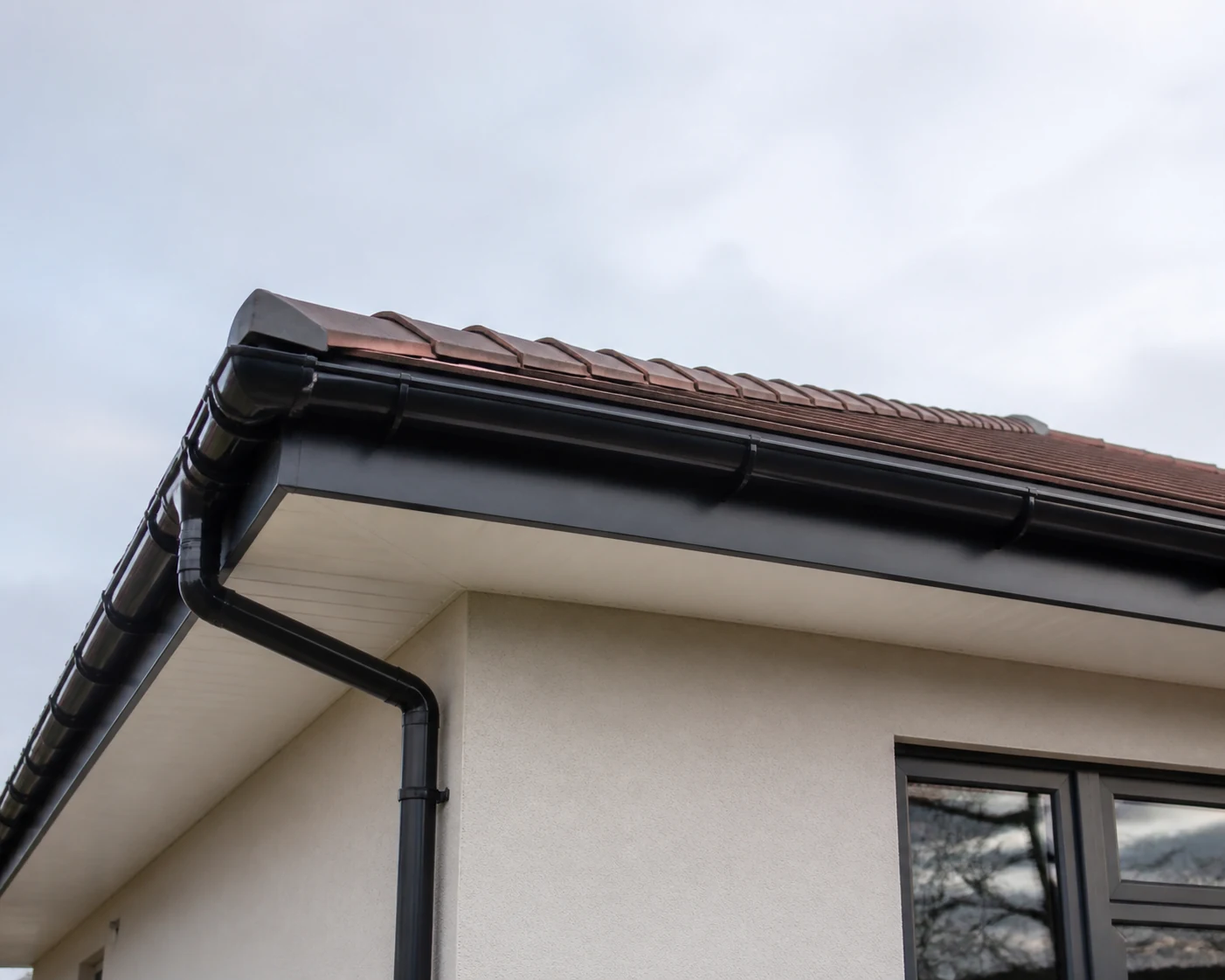
The right solution depends on the condition of the existing soffits and the wider roofline. A small localised defect may be repairable if the surrounding material is sound. Loose sections can sometimes be refixed, and minor gaps may be addressed as part of a careful roofline repair.
Where timber soffits are rotten, repeatedly damp or no longer holding fixings well, replacement is often the better option. Modern soffit systems are available in different profiles and ventilation styles, so the work can improve both protection and airflow. The key is choosing the right detail for the building, not simply covering over a tired board and hoping the problem disappears.
During soffit work, the fascia and guttering should usually be checked at the same time. These parts sit next to each other and problems often overlap. If a fascia is weak, it may not support guttering properly. If a gutter joint leaks, it can wet the soffit and fascia below it. If the soffit ventilation is blocked, condensation can continue even after the outside looks tidy.
Maintenance is straightforward but valuable. Keep gutters clear, watch for water spilling over the roof edge, look for movement in the roofline and make sure loft insulation is not packed tightly into the eaves. Avoid blocking vents with stored items in the roof space. Small habits like these help the soffits keep doing their job.
When to ask a roofer to inspect the roofline
You should arrange a professional inspection if soffits are visibly damaged, if roof space condensation keeps returning, or if there are signs of damp timber near the eaves. It is also worth asking for a roofline check when guttering is being repaired, fascias are being replaced or roof edge leaks are being investigated.
A good inspection should look at how the whole edge of the roof is working. That includes soffits, fascias, gutter alignment, fixings, signs of water tracking, ventilation and nearby roof coverings. On buildings with more complex roof shapes, dormers or awkward access, the inspection may need to be more detailed.
Soffits are only one part of the roof system, but they sit at a vulnerable point. They protect the underside of the roof edge while also helping the roof space breathe. When they are in good condition, they support a drier, better protected building with fewer hidden moisture risks.
- Soffits close and protect the underside of the roof edge.
- Vented soffits help fresh air move through the roof space and reduce condensation risk.
- Cracked, rotten or loose soffits can let damp, debris and nesting material into vulnerable areas.
- Soffit problems should be checked alongside fascias, guttering, insulation and roof ventilation.
- Early roofline repairs can help prevent small defects becoming wider moisture issues.
Frequently asked questions
Are soffits only there to make the roofline look tidy?
No. A tidy finish is part of their purpose, but soffits also protect the underside of the eaves and can provide ventilation into the roof space.
Can blocked soffit vents cause condensation?
Yes, blocked vents can restrict airflow at the eaves. If moist air becomes trapped in a cold roof space, condensation is more likely to form.
Do damaged soffits always need replacing?
Not always. Small defects may be repairable if the surrounding material is sound, but rotten, loose or badly fitted soffits often need replacement.
Should soffits be checked when gutters are repaired?
Yes. Gutters, fascias and soffits work together at the roof edge, so checking them together gives a clearer view of any water or ventilation issues.
Need help with your roofline?
If your soffits look damaged or your roof space feels damp, Alliance Roofing can inspect the roofline and explain the most practical next step.