Structural sagging in a roof is one of those issues that can quietly develop without drawing much attention at first.
It might begin as a slight dip or uneven line, something that feels easy to overlook, especially if there are no obvious leaks or damage inside the property.
Over time, though, what starts as a minor concern can begin to affect the overall stability of the roof.
Catching these signs early may make a noticeable difference in both cost and disruption. Left alone, sagging can worsen gradually, often leading to more extensive repairs later on.
Understanding what to look for puts you in a better position to act before the situation becomes more serious.
What Is Structural Sagging in a Roof?
Structural sagging refers to a visible or measurable dip in the roofline, usually caused by a weakening of the supporting structure beneath.
This might involve rafters, joists, or other load-bearing elements that have started to shift or deteriorate over time. In some cases, the change is subtle, while in others it becomes quite pronounced.
It is worth separating minor surface issues from true structural concerns. A few uneven tiles or slight visual imperfections may not indicate a deeper problem.
However, when the shape of the roof itself begins to change, it often points to something more significant that may require professional attention.
Visible Signs of Roof Sagging from the Outside
From the outside, one of the most noticeable signs is a dip along the ridge line, where the top of the roof appears to curve rather than run straight.
You may also notice uneven slopes or areas where the roofline appears slightly bowed. These changes can sometimes be easier to see from a distance or when compared to neighbouring properties.
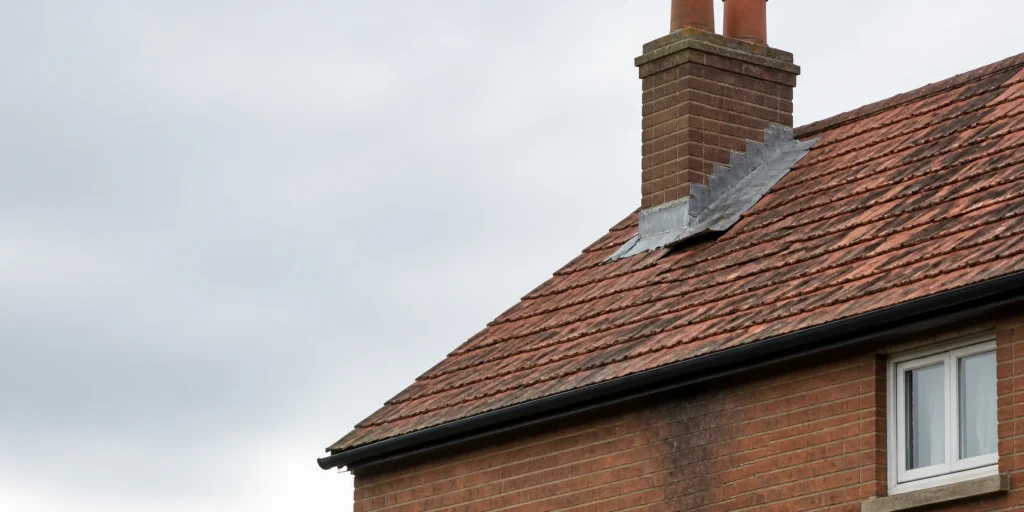
Other external clues may include tiles that no longer sit flush or sections of the roof that appear to sink slightly.
While these signs do not always confirm structural sagging on their own, they do suggest that something may not be quite right and warrant further investigation.
Warning Signs Inside the Property
Inside the property, the signs can be a bit less obvious but still important to recognise.
Cracks forming in ceilings, particularly along straight lines or near corners, may indicate movement above.
You might also notice ceilings that appear uneven or slightly sloped, especially in upper rooms.
Doors and windows becoming harder to open or close can also be linked to structural movement.
While these issues are sometimes attributed to general settling, they can occasionally point back to changes in the roof structure that are affecting the building as a whole.
Common Causes of Structural Sagging
There are several reasons why a roof might begin to sag over time.
Water damage is a common factor, as prolonged exposure to moisture can weaken timber supports and reduce their ability to carry weight. This is often the result of unnoticed leaks or poor drainage.
Excessive weight is another potential cause. Build-ups of debris, heavy snowfall, or even additional roofing layers can place strain on the structure.
In some cases, the issue may stem from the original construction, where materials or support systems were not quite adequate for long-term performance.
Why Ignoring Roof Sagging Can Be Risky
Ignoring signs of sagging can lead to a range of problems that tend to escalate over time.
What begins as a slight dip can develop into more extensive structural damage, increasing the likelihood of leaks and internal issues. The longer it is left, the more complex the repair work is likely to become.
In more severe cases, continued neglect may result in partial roof failure, which brings both safety concerns and significant repair costs.
Addressing the issue early does not guarantee a simple fix, but it often reduces the scale of the work required and helps avoid more disruptive outcomes.
When to Call a Professional Roofer
If you notice any of the warning signs mentioned, it is usually a good idea to have the roof assessed by a professional.
Even if the issue appears minor, a proper inspection can help determine whether there is an underlying structural problem that needs attention.
A qualified roofer can identify the root cause and suggest the most appropriate course of action. This might involve a straightforward repair or, in some cases, more extensive work.
Either way, getting an expert opinion tends to provide clarity and prevent guesswork.
How Structural Sagging Is Fixed
The way structural sagging is addressed depends largely on its cause and severity.
In some situations, reinforcing existing supports or replacing damaged timbers may be enough to restore the roof’s integrity. This type of work can often be completed without a full replacement.
However, if the damage is more advanced, a partial or complete roof replacement might be necessary.
While this can seem like a significant undertaking, it often provides a more reliable long-term solution. A professional assessment helps determine which approach is most suitable.
Preventing Structural Sagging in the Future
Regular maintenance appears to play a key role in preventing sagging from developing.
Simple steps such as keeping gutters clear, checking for early signs of damage, and ensuring proper drainage can all help reduce strain on the roof structure.
Periodic inspections, particularly after severe weather, may also help identify potential issues before they escalate.
While no roof is entirely immune to wear over time, consistent upkeep tends to extend its lifespan and reduce the likelihood of structural problems.
Conclusion
Structural sagging is not always immediately obvious, but the signs are often there if you know what to look for.
From subtle dips in the roofline to changes inside the property, these indicators can suggest that something more serious is developing beneath the surface.
Taking action early may help limit both the cost and complexity of repairs.
If any of these warning signs are present, seeking professional advice is likely to be a sensible next step, ensuring the roof remains safe, stable, and fit for purpose.